
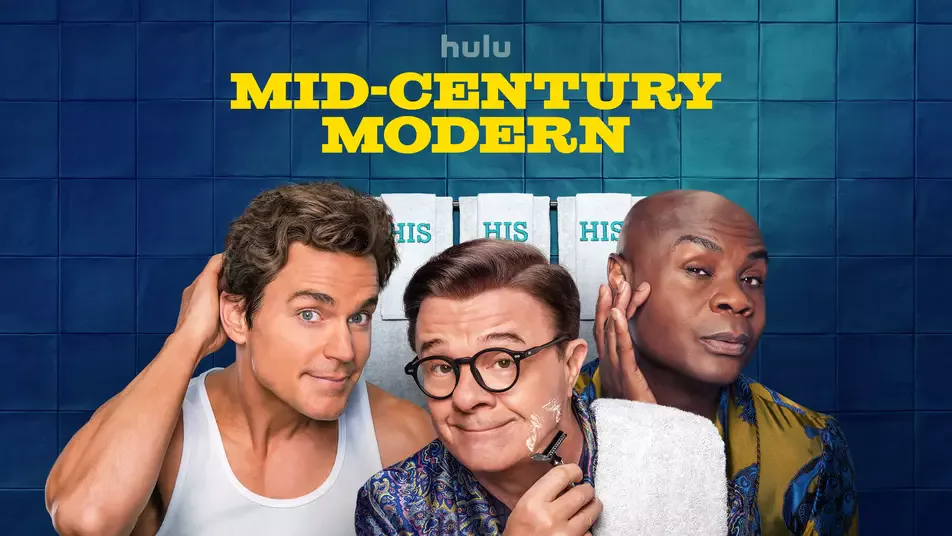
Why Mid Century Modern Store Aesthetics Shine in Film Classics
The allure of Mid Century Modern design has captivated audiences for decades, particularly when showcased in film classics. This architectural and design style, characterized by clean lines, organic forms, and a seamless blend with nature, creates a distinct visual language that resonates in cinema. The aesthetic not only serves as a backdrop but becomes an integral part of the storytelling, embodying the cultural shifts of the 1950s and 1960s. Discover why Mid Century Modern Store aesthetics shine in these cinematic masterpieces and why they continue to influence contemporary film and design.
The Timeless Appeal of Mid Century Modern Design
Mid Century Modern design emerged in the middle of the 20th century, reflecting a break from traditional styles. With its emphasis on functionality and minimalism, it celebrated new materials and technologies that allowed for innovative designs. The use of bold colors, simple forms, and the combination of indoor and outdoor spaces created an inviting atmosphere. These elements are often reflected in the settings of classic films, enhancing the narrative without overshadowing the characters or the plot.
Setting the Scene: Iconic Films that Showcase Mid Century Modern Store Aesthetics
Several iconic films have embraced the aesthetic of a Mid Century Modern store, employing it to establish a mood or underscore a character's personality. For example, in “Mad Men,” the set design transports viewers to a time where design was bold yet practical, mirroring the ambitions of the American dream. The sleek furniture and open spaces symbolize prosperity and sophistication, allowing the audience to feel immersed in the story.
Additionally, films like “The Graduate” expertly use Mid Century Modern design to convey the inner conflict of the characters. The geometric lines and distinctive furniture styles resonate with the themes of social transition and personal discovery. The film’s visuals complement its narrative, illustrating how the design aesthetic is perfectly intertwined with the emotional journeys of the characters.
The Influence of Mid Century Modern Aesthetics on Storytelling
Using a Mid Century Modern store aesthetic in film does more than adorn the scene; it serves as a visual storytelling device. The design elements often reflect broader societal trends, such as shifts in family structures, gender roles, and consumerism. For instance, the bright, airy spaces often symbolize optimism in post-war America. As characters navigate their relationships and aspirations, these settings ground them in a visually compelling narrative that resonates with contemporary audiences.
Furthermore, the culture of consumption during the Mid Century Modern era plays into how characters engage with their surroundings. The sleek stores and stylish homes illustrated in films become avenues for expressing identity and status, making them potent symbols within the storyline. This integration of design and plot not only enhances the viewing experience but also invites audiences to reflect on their own surroundings and the narratives that they inhabit.
Why Mid Century Modern Store Aesthetics Live On
The continued popularity of Mid Century Modern design in modern film is a testament to its enduring appeal. As artists and filmmakers seek to connect with audiences through familiar themes and styles, revisiting this aesthetic provides a visual anchor and a sense of authenticity. The nostalgia associated with Mid Century Modern furnishings and architecture evokes a simpler, more optimistic time, making it a preferred choice for movies set in the past or even in alternate realities.
Moreover, the resurgence of interest in vintage and retro styles has led to a revival of the Mid Century Modern aesthetic in contemporary design. Props and settings inspired by this period maintain their relevance, allowing filmmakers to draw on a rich visual vocabulary that speaks to diverse audiences. Whether used to evoke nostalgia or to explore new narratives, Mid Century Modern store aesthetics continue to shine in the realm of film.
In conclusion, the aesthetic of Mid Century Modern design not only provides a striking visual framework for classic films but also enriches the narrative experience. Its unique blend of style and function creates a backdrop that resonates with themes of personal and societal change, making it perfect for storytelling in cinema. As we continue to see Mid Century influences in today’s films, it becomes clear that this design movement will forever hold a significant place in both cinematic history and modern design.


